
Exploring the Jupiter, Florida Real Estate Market


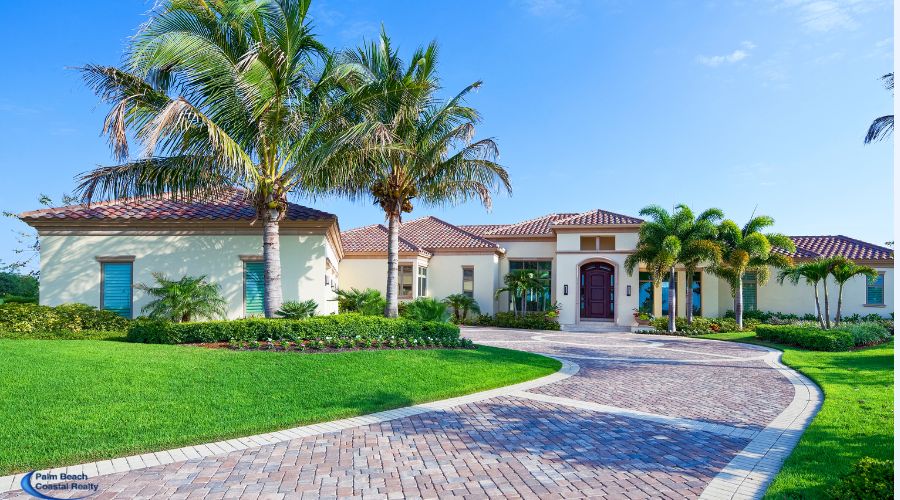
If you’re considering buying or selling a home in Jupiter, Florida (in northern Palm Beach County), here’s a detailed look at the current real-estate climate, what’s driving it, and what to watch going forward.
1. Market Snapshot
Here are some of the latest figures for Jupiter’s housing market:
- The typical home value is around $681,174, which is about 5.3% lower than a year ago. (Zillow)
- As of August 2025, the median listing price was roughly $750,000, while the median sold price was about $621,500. (Realtor)
- Homes are selling in around 86 days on average. (Realtor)
- According to one measurement, the median sold price for all homes was about $760,000 (June 2025) — up 1.3% year-over-year. (Rocket Mortgage)
- Another source: In September 2025, the median sale price was about $595,000, down about 1.9% year-over-year; median days on market around 77 days. (Redfin)
Interpretation: The market is somewhat mixed. On one hand, values have pulled back slightly in certain segments. On the other hand, some data show modest increases, especially in desirable niches. Inventory is loosening compared to the feverish pace of previous years, which gives buyers a bit more room.
2. Key Trends & Drivers
Location & Lifestyle Premium
Jupiter enjoys strong appeal due to its coastal setting, beach access, golf course communities, and relatively easy access to major airports and Palm Beach metro amenities. It draws buyers from the northeast U.S. and California who want a lifestyle upgrade. (The Wall Street Journal)
Luxury & High-End Market
There is a substantial luxury component: waterfront estates, golf-club homes, gated communities. These tend to hold up differently than more entry-level homes. For example, ultra-luxury homes in gated clubs continue to list at multimillion-dollar prices. (New York Post)
Buyer Tilt / Cooling Signs
- Homes are spending longer on the market compared with the peak seller-market era.
- A large percentage of homes are selling below asking price — indicating more negotiating leverage for buyers. For example: ~85% of homes in Jupiter sold below asking in June 2025.
- Inventory is rising and the market is less intensely competitive than it was during the COVID boom.
Differing Sub-Markets
Family neighborhoods (e.g., master-planned communities, single-family homes) behave differently than waterfront golf-club enclaves. Lower-priced segments may see different dynamics (e.g., more sensitivity to interest rates, insurance costs) than ultra-luxury segments.
3. What It Means for Buyers & Sellers
For Buyers
- You may have more negotiation power than 1-2 years ago — expect fewer bidding wars, more inspections/contingencies, and more price adjustments.
- Still, desirable homes (especially in prime locations) move reasonably well — you can’t assume a steep discount automatically.
- Consider total cost of ownership: property insurance (wind & flood), homeowners association (HOA) fees in gated communities, and taxes. These factors matter in coastal Florida.
- Define your criteria clearly: location (beach vs inland), community type (gated golf vs family oriented), price range. That clarity helps in a market with varying segments.
For Sellers
- Pricing is more critical now — listing too high may lead to longer days on market or price reductions. Buyers are more price-sensitive.
- Marketing must highlight lifestyle/value — in a competitive field, emphasize what makes the property stand out (views, upgrades, community amenities).
- If you’re in the luxury segment, note that while demand remains, the buyer pool is smaller; patience and strategic pricing matter.
- For homes needing work/upgrades, consider cost vs market value carefully — buyers may expect move-in ready.
4. Neighborhood & Community Highlights
Here are three types of communities you’ll find in Jupiter:
- Luxury/golf-club enclaves: Places like Admirals Cove, The Bear’s Club, etc. These often include waterfront lots, private marinas, golf, high HOA / initiation fees.
- Family-friendly master-planned communities: e.g., Abacoa offers somewhat more moderate pricing, good schools, amenities, suitable for everyday living.
- Beach/inlet/coastal neighborhoods: Living near the water comes at a premium. Homes here may face more cost/risk in insurance, but also deliver lifestyle value.
5. Risks & Things to Watch
- Interest rates remain elevated compared to earlier years — they affect affordability significantly.
- Insurance costs: Coastal Florida faces challenges with windstorm, flood, hurricane risk — make sure you factor in these costs. (The Wall Street Journal)
- Market segmentation: The “luxury” market may behave differently than the “mid-market” homes. Segments with less demand or more cost burden may lag.
- Timing/holding costs: If you’re selling, waiting may incur HOA, maintenance, insurance costs. If buying, understand how long you plan to hold the property.
- Macro-economics/local supply: If inventory rises significantly or demand softens (e.g., fewer buyers from out-of-state), pricing pressure may increase. Some sources suggest cooling in Florida broadly. (MarketWatch)
6. Final Thoughts
The Jupiter real-estate market is still strong compared to many places — thanks to its location, lifestyle appeal and luxury inventory — but it’s not the fast-rising, red-hot market of 2020-2021. Instead, it’s transitioning into a more balanced or slightly buyer-tilted market in many segments.
- If you’re buying: You’re in a good moment to act with more leverage, but still pick wisely and plan long-term.
- If you’re selling: Be strategic about pricing, condition and timing; understand your segment.
- If you’re investing: Pay special attention to market segment, potential upside, and costs (insurance, taxes, HOA).